Marah Smith and Isaac Tubbs 7th great grandparents, on RootsMagic tree.
Marah Smith and Isaac Tubbs married in 1709 about 30 years after their fathers and grandfathers were on opposite sides of a 1670 Colonial riot. Marah Smith’s 2 grandfathers Richard Smith and John Huntley rioted on the Lyme side. Isaac Tubbs’s father and grandfather rioted on the New London side.
In Colonial Connecticut a 2 mile strip of land was part of ongoing land disputes. In May 1668 Lyme was incorporated, New London, Connecticut was already a town, when the Court made a judgement on the land: that it would be ’ministry land’ for the town ministers, one side for Lyme, the other for New London. Men from New London protested and accused their leaders of not truly representing the people. The 1668 Court ruling held, until August of 1671. 30 men from New London set out to mow the ministry land, they were met by a group of men from Lyme planning to mow their minister’s land, and the riot started. The Lyme constable put New London men in prison, the New London constable put Lyme men in the town prison. After a while leaders met and “drinking a dram together with som(e) seeming friendship, every man departed to his home” and decided to let the Courts again make a decision about the continuing land dispute. March 1672 the Court charged and fined men for rioting. From New London: Samuel Tubbs (father of Isaac Tubbs) and Isaac Wiley (grandfather of Isaac Tubbs). From Lyme: John Huntley and Richard Smith (grandfathers of Marah Smith). The court fined each town, but the Court eventually forgot about the fines or paid the fines and the disagreement just sort of died out.
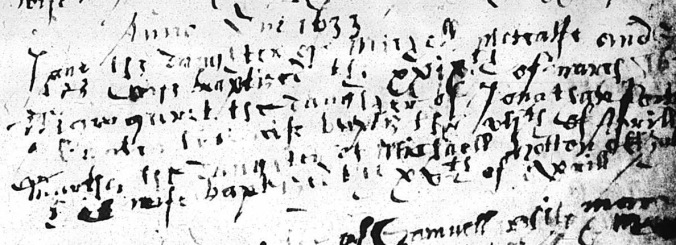
The public records of the Colony of Connecticut volume 2 page 558 at HathiTrust

 A young lady, daughter of one of the members, spoke up. She was 22, working as a hired girl and had saved most of her pay, $80 she kept with her, in her bag. She offered to loan this to congregation, the additional $20 was then easily raised. On Monday morning the church Deacons went into town and paid off their debt with Annie’s loan. The church building was saved, the congregation thrilled.
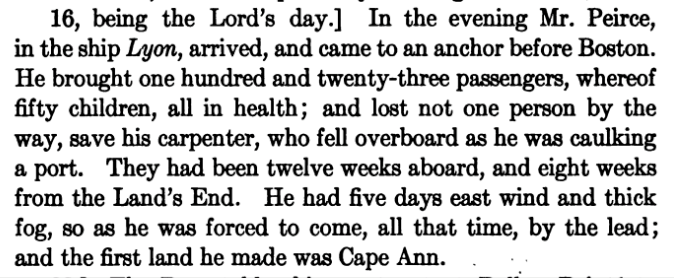
 Henrich Gerds Henrichs was born May 1, 1836 in Germany, probably in Aurich a town of Lower Saxony, Germany which is actually the northern eastern edge of Germany. The Google map photo shows the original homes of the Roos, Henrichs and Frerichs families within 100 miles of each other.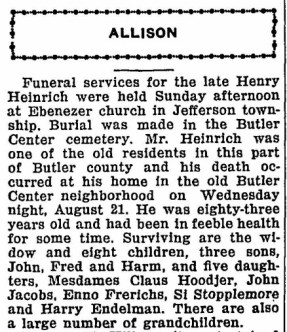


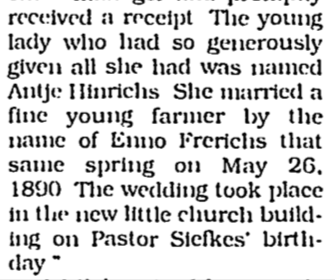 Annie saved her church. Pastor Siegfried Siefkes came from Germany to Butler Center, Iowa a historical town no longer around. He worked to organize a new congregation, The Kirchenbuch der Evangelisch Lutherisch Eben-Ezer Gemeinde or Ebenezer Church. The pastor wrote a letter to the actual German Kaiser asking for help, that wasn’t successful so he started asking the local German community to contribute and successfully all but $100 which was borrowed from the bank. The pastor and congregation understood they had a year to pay back this loan but within a month the bank and contractor came for payment. The pastor begged for a week to raise the $100 and it was granted. At Sunday’s service the pastor and congregation met and talked about ways to raise $100 in a week. A farmer offered to sell seed oats, but that wasn’t enough.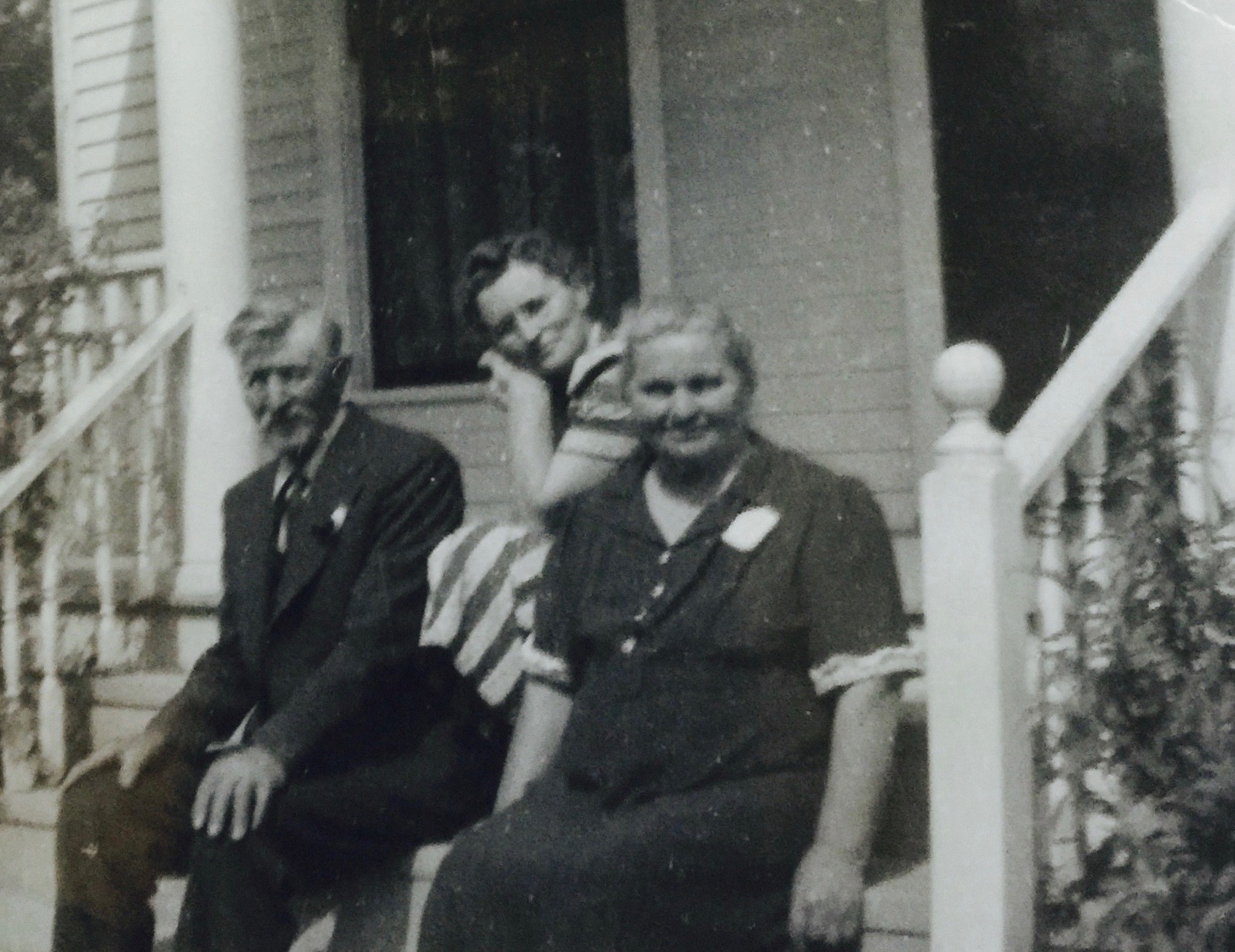


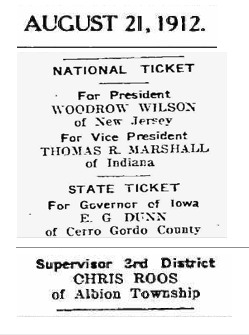 In 1885 Christian ‘Chris’ married Geske ‘Grace’ Lubberts and they both owned farm land including the Riverside Stock Farm run by their sons, Bertus (named for his Lubberts grandfather) and George. Chris and Grace also had 3 daughters who married and then farmed in the area. Chris lived to age 92 in the Aplington, Iowa area. He and his wife are buried in Pleasant View Cemetery.
 “Janesville
 Each life has its place
You must be logged in to post a comment.